
Introduction
Gallstones are a common digestive condition that affects millions of people worldwide, yet many individuals are unaware of how they form or why they cause problems. These hardened deposits develop in the gallbladder and can remain unnoticed for years or suddenly trigger discomfort and complications. Gallstones vary in size and composition, and while some people never experience symptoms, others may face recurring pain or digestive disruption.
Modern lifestyles, dietary patterns, and metabolic changes have contributed to the continued prevalence of gallstones. Factors such as age, body weight, diet, and genetics all play a role in how and why they develop. Because symptoms can be inconsistent or mistaken for other digestive issues, gallstones are often discovered unexpectedly during medical imaging.
Understanding gallstones is essential for making informed health decisions. Knowing their causes, available treatments, and realistic prevention strategies allows individuals to respond early and reduce the risk of complications. This article provides a clear, balanced overview of gallstones with a focus on awareness, management, and practical prevention.
What Gallstones Are and How They Form
Gallstones are solid particles that develop from substances in bile, a digestive fluid produced by the liver and stored in the gallbladder. Bile helps break down fats during digestion, but when its chemical balance changes, it can harden into stones. The two most common types are cholesterol gallstones and pigment gallstones, each forming under different conditions.
Cholesterol gallstones develop when bile contains too much cholesterol and not enough bile salts to dissolve it. This imbalance causes cholesterol crystals to form, which can gradually grow into stones. Pigment gallstones, on the other hand, form when bile contains excess bilirubin, often linked to certain blood or liver conditions. Both types can exist silently or cause symptoms depending on size and movement.
Gallstones often form gradually, without immediate warning signs. The gallbladder may not empty completely, allowing bile to become concentrated. Over time, this concentration increases the likelihood of stone formation. Understanding this process helps explain why lifestyle, diet, and metabolic health play such significant roles in gallstone development and recurrence.
Common Causes and Risk Factors
Several factors increase the likelihood of developing gallstones, and many are connected to everyday health habits. Diets high in refined carbohydrates and unhealthy fats can contribute to excess cholesterol in bile. Rapid weight loss, often associated with restrictive dieting, also raises risk because the liver releases more cholesterol during sudden fat breakdown.
Age and biological factors matter as well. Gallstones are more common in adults over forty and tend to occur more frequently in women, partly due to hormonal influences. Pregnancy, hormone therapy, and certain medications can alter bile composition, increasing stone formation risk. Genetics also play a role, as gallstones often appear more frequently within families.
Underlying health conditions such as diabetes, liver disease, or metabolic disorders further increase vulnerability. Reduced physical activity and prolonged fasting can slow gallbladder emptying, allowing bile to stagnate. These risk factors highlight the importance of digestive health awareness and prevention, especially for individuals with multiple contributing factors. Recognizing risks early supports proactive health choices rather than reactive treatment.
Symptoms and Potential Complications
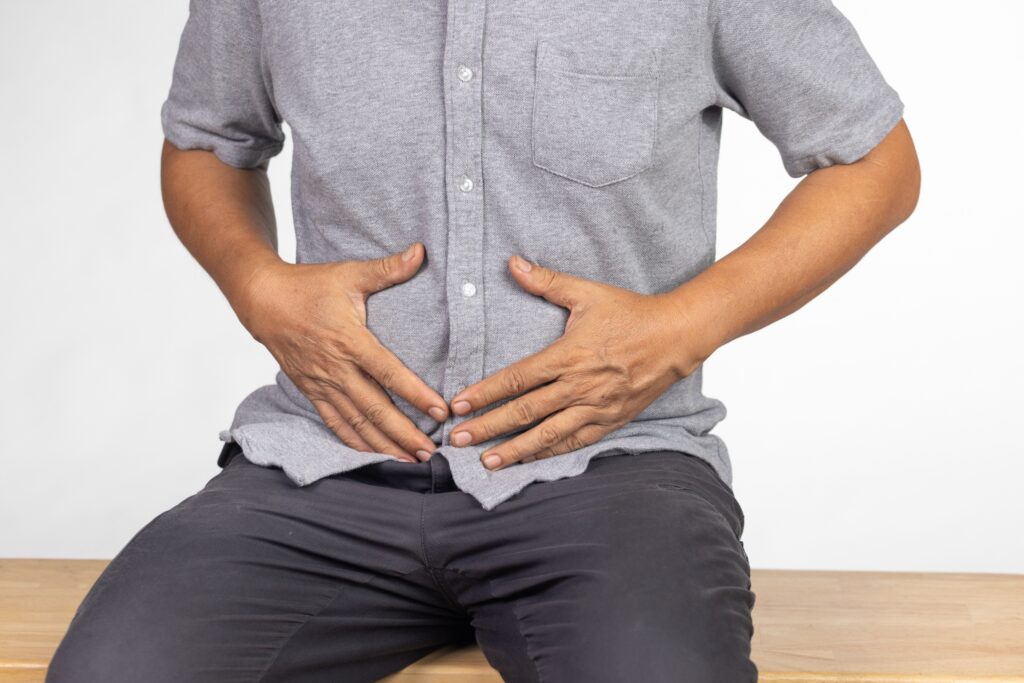
Many people with gallstones never experience symptoms, a condition known as silent gallstones. However, when stones move or block bile ducts, symptoms can appear suddenly and intensify quickly. The most common symptom is sharp pain in the upper right abdomen, often occurring after meals and sometimes radiating to the back or shoulder.
Other symptoms may include nausea, vomiting, bloating, and indigestion. Pain episodes, known as gallbladder attacks, can last from minutes to several hours. While some attacks resolve on their own, repeated episodes often signal the need for medical evaluation.
If left untreated, gallstones can lead to complications. These include inflammation of the gallbladder (cholecystitis), bile duct infections, or pancreatitis. Such conditions may require urgent medical attention and increase health risks. Understanding symptoms helps individuals differentiate gallstone-related pain from other digestive issues, encouraging timely diagnosis and appropriate care.
Treatment Options and Medical Management
Treatment for gallstones depends on symptom severity, stone size, and overall health. For asymptomatic gallstones, doctors often recommend observation rather than immediate intervention. Many people live without complications and require no treatment if stones remain inactive.
When symptoms occur, treatment options vary. Medications can sometimes dissolve cholesterol gallstones, but this approach is limited and often slow. It is typically reserved for individuals who cannot undergo surgery. Dietary adjustments may help manage symptoms, but they do not eliminate existing stones.
Surgical removal of the gallbladder, known as cholecystectomy, is the most common and effective treatment for symptomatic gallstones. The procedure is widely performed and generally considered safe. Because the body can function without a gallbladder, most patients resume normal digestion after recovery. Understanding treatment options allows individuals to approach care decisions calmly and confidently when symptoms arise.
Practical Prevention Through Lifestyle and Diet
While not all gallstones can be prevented, lifestyle choices significantly influence risk. Balanced diets that emphasize fiber, healthy fats, and whole foods support bile balance and regular gallbladder emptying. Gradual, sustainable weight management is preferable to rapid dieting, which increases stone formation risk.
Regular physical activity improves digestion and metabolic health, reducing bile concentration. Hydration also supports proper bile flow. Avoiding prolonged fasting and maintaining consistent meal patterns help prevent bile stagnation in the gallbladder.
Prevention is not about perfection but consistency. Small, daily habits compound over time, reducing risk and supporting overall digestive well-being. Individuals who stay informed and attentive to their health are better equipped to prevent gallstones or manage risk effectively without unnecessary anxiety.
Conclusion
Gallstones are a common but often misunderstood digestive condition that can range from harmless to disruptive depending on individual circumstances. Understanding how gallstones form, recognizing risk factors, and knowing when symptoms require attention empowers individuals to respond thoughtfully rather than reactively. While medical treatment options are effective when needed, prevention through lifestyle awareness remains an important part of long-term digestive health. Balanced nutrition, steady weight management, and regular activity support the body’s natural processes and reduce avoidable risks. For readers seeking clear explanations for everyday life, reliable health information helps transform uncertainty into confidence. By staying informed and attentive to early signs, individuals can approach gallstones with greater understanding, making decisions that support comfort, safety, and long-term well-being.