
Introduction
Counter-Strike has long been recognized as one of the most influential competitive shooters in gaming history. Its emphasis on skill, teamwork, and tactical decision-making helped define the esports landscape on PC. As mobile gaming continues to mature, interest has grown around how a Counter-Strike–style experience could translate to handheld devices. Players now expect console- and PC-quality gameplay on mobile platforms, supported by improved hardware, faster connectivity, and more sophisticated game engines.
The idea of Counter-Strike on mobile raises important questions about control design, performance, and competitive balance. Mobile players differ from PC players not only in input methods but also in play patterns and expectations. This article explores how Counter-Strike–inspired mobile experiences are shaping gameplay, what features players expect, and how developers balance authenticity with accessibility. Understanding these factors helps explain why mobile adaptations generate both excitement and skepticism within the gaming community.
Gameplay Mechanics and Mobile Adaptation Challenges
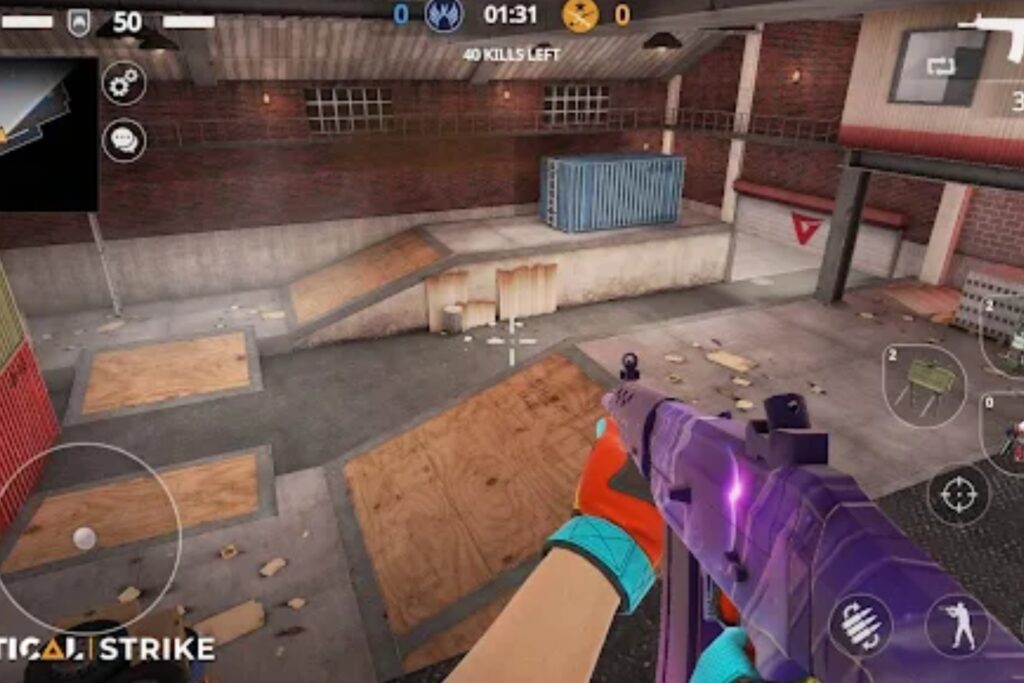
Translating Counter-Strike’s precision-based gameplay to mobile devices presents significant challenges. The original game relies heavily on mouse accuracy, keyboard movement, and split-second reactions. On mobile, touch controls replace traditional inputs, requiring careful redesign to maintain balance without oversimplifying mechanics.
Developers often introduce customizable control layouts, sensitivity adjustments, and aim-assist features to compensate for touch limitations. These tools aim to preserve tactical depth while making gameplay accessible to a broader audience. However, too much assistance risks undermining the competitive integrity that defines the Counter-Strike experience.
Movement and map design also require adaptation. Mobile players typically engage in shorter sessions, which influences pacing and match structure. Maps are often scaled or simplified to fit mobile playstyles while retaining recognizable layouts. Achieving this balance is essential for delivering a satisfying experience that respects the franchise’s roots without alienating new players.
Core Features Players Expect From a Counter-Strike Mobile Experience
Players approaching Counter-Strike on mobile bring clear expectations shaped by years of PC gameplay. Competitive matchmaking, ranked modes, and team-based objectives are considered essential features. Without these elements, a mobile version risks feeling like a superficial imitation rather than a legitimate extension of the franchise.
Weapon balance and recoil behavior are also central to player satisfaction. Fans expect familiar gun mechanics that reward practice and precision. Skins, progression systems, and loadout customization add long-term engagement but must avoid pay-to-win structures that damage fairness.
Voice communication and quick-chat systems support teamwork, especially in a competitive mobile shooter gaming environment. Players want reliable tools to coordinate strategies without excessive complexity. When these features function smoothly, mobile Counter-Strike experiences can foster the same sense of tension and cooperation that made the original game iconic.
Performance, Optimization, and Fair Play Concerns
Performance is a critical factor in competitive mobile gaming. Frame rate stability, low latency, and responsive controls directly influence player satisfaction. Counter-Strike–style games demand precision, making technical issues more noticeable and more disruptive than in casual mobile titles.
Device diversity adds complexity. Developers must optimize gameplay across a wide range of hardware, ensuring fair competition between high-end and mid-range devices. Graphics settings, scalable effects, and performance modes help reduce disparities, but achieving consistent fairness remains challenging.
Anti-cheat measures are another major concern. Competitive environments attract players seeking unfair advantages, and mobile platforms are not immune. Strong detection systems and regular updates are essential for maintaining trust. Players expect developers to prioritize fair play, especially when competitive rankings and progression are involved.
Community Expectations and Competitive Culture
Counter-Strike’s legacy includes a strong competitive culture built around skill mastery and team coordination. Mobile adaptations inherit these expectations, even as they attract a broader and more casual audience. Balancing accessibility with competitive depth becomes a defining challenge.
Communities often judge mobile versions not by what they are, but by how closely they align with the original spirit. Active developer communication, transparent updates, and responsiveness to feedback help manage expectations. When players feel heard, they are more willing to accept necessary compromises.
Tournaments, seasonal events, and community-driven content contribute to long-term engagement. These elements reinforce a sense of progression and belonging. A mobile Counter-Strike experience succeeds when it builds its own identity while respecting the competitive values that define the franchise.
The Future of Counter-Strike–Style Games on Mobile
As mobile hardware and cloud gaming technologies continue to improve, the gap between mobile and traditional platforms narrows. This evolution creates new possibilities for delivering deeper, more competitive experiences on handheld devices. Developers experiment with hybrid control options, cross-platform play, and advanced matchmaking systems to enhance realism.
However, success depends on thoughtful design rather than technical ambition alone. Mobile Counter-Strike experiences must prioritize stability, fairness, and player satisfaction. Incremental improvements often matter more than flashy features. For players and observers seeking trusted insights on modern digital culture, mobile adaptations of iconic franchises offer a window into how gaming habits evolve. Counter-Strike on mobile represents not just a technical challenge, but a reflection of how competitive gaming adapts to changing platforms and player expectations.